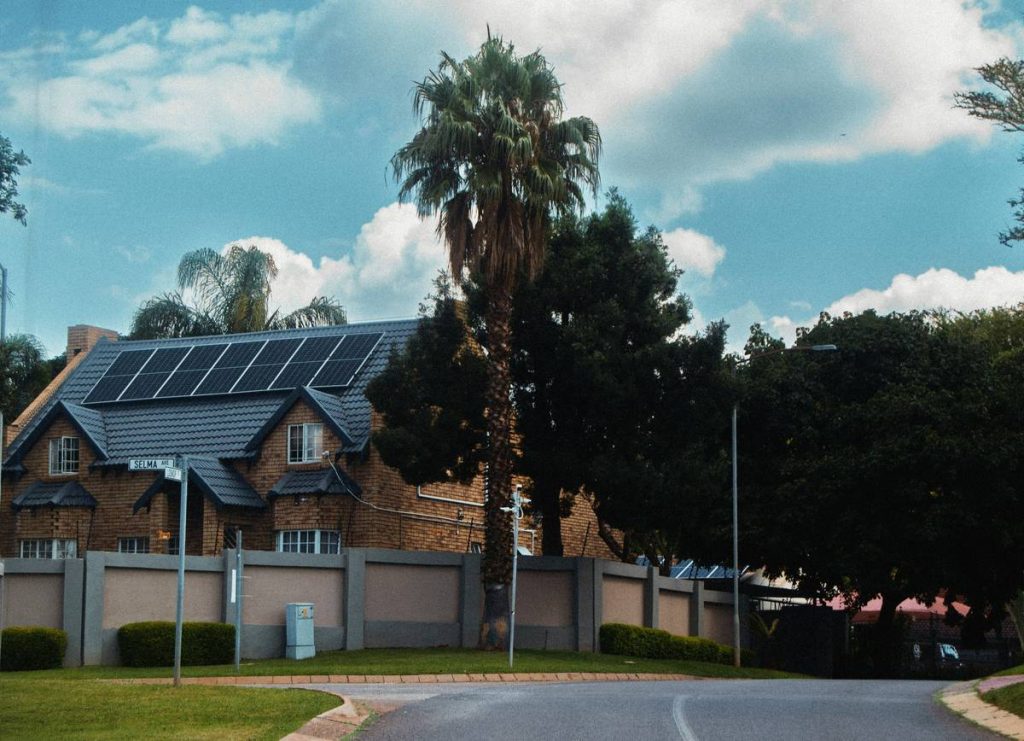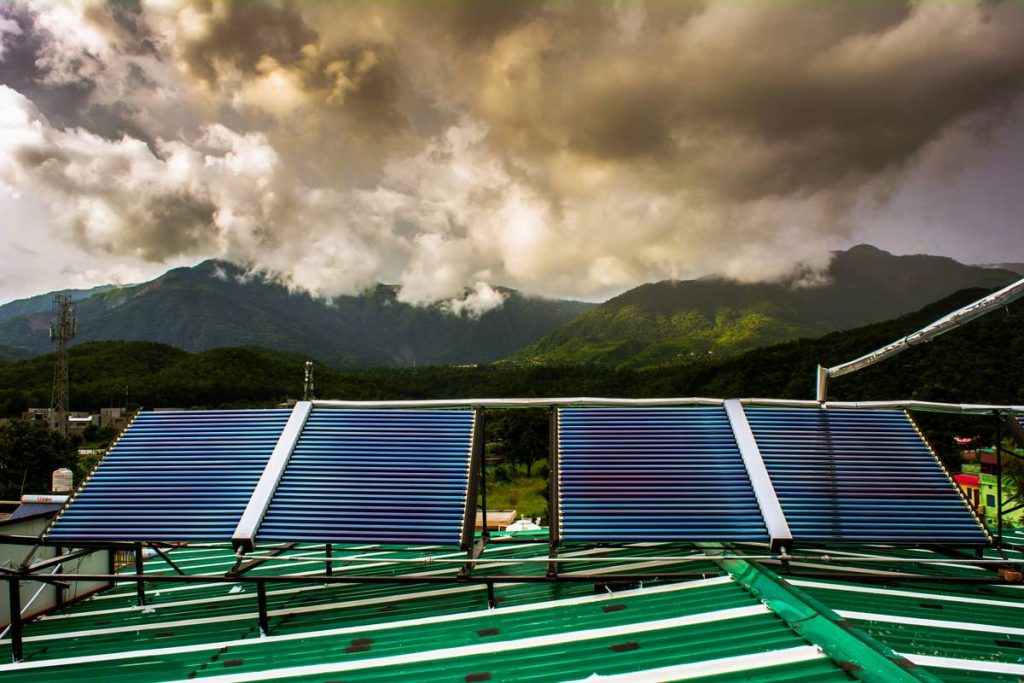
If you’ve invested in solar panels, congrats—you’re cutting energy bills and helping the planet. But here’s the gut punch: most homeowners assume their standard policy automatically covers their shiny new rooftop setup. Spoiler: it often doesn’t. I learned this the hard way after a hailstorm cracked two panels—only to find my claim denied because my insurer considered them “external attachments” not listed in my policy. Don’t let that happen to you. In this guide, we break down exactly how solar panel and home insurance intersect, what gaps to watch for, and how to lock in coverage without overpaying.
Table of Contents
- Why Solar Panels Complicate Home Insurance
- Step-by-Step Guide to Insuring Your Solar Investment
- Best Practices to Maximize Coverage and Minimize Costs
- Real-World Case Studies: Lessons from the Field
- Solar Panel and Home Insurance FAQs
Key Takeaways
- Standard homeowner policies may exclude or underinsure solar panel systems.
- Always notify your insurer before installing panels—retroactive claims often fail.
- Panel damage from weather, theft, or fire is typically covered only if explicitly included.
- Third-party-owned systems (like leases) usually come with separate insurance.
- Updating your dwelling coverage limit after installation prevents underinsurance.
Why Solar Panels Complicate Home Insurance
Solar installations straddle the line between “permanent fixture” and “detachable equipment,” creating ambiguity insurers exploit. According to the National Association of Insurance Commissioners (NAIC), nearly 30% of solar adopters discover post-installation that their panels aren’t fully covered. The problem? Many policies cap coverage for “other structures” at just 10% of your dwelling limit—far less than the $15,000–$30,000 average system cost.

Worse, some carriers classify panels as personal property (like furniture), which offers weaker protection than dwelling coverage. If a tree falls on your roof and crushes your panels, you might only get depreciated value—not replacement cost.
Step-by-Step Guide to Insuring Your Solar Investment
1. Audit Your Current Policy
Pull your declarations page. Look for phrases like “attached equipment,” “renewable energy systems,” or “other structures.” If nothing mentions solar, assume zero coverage.
2. Notify Your Insurer Before Installation
Legally, you’re required to disclose material changes to your property. Failure to do so voids coverage. Call your agent and ask: “Does my policy cover owned solar panels for full replacement cost under dwelling coverage?” Get the answer in writing.
3. Adjust Your Dwelling Coverage Limit
Add the full installed cost of your system to your dwelling coverage. A $25,000 solar array means increasing your dwelling limit by that amount—otherwise, you’re self-insuring the difference.
4. Confirm Covered Perils
Ensure your policy includes wind, hail, fire, and lightning—all common solar risks. Exclusions for “wear and tear” are normal, but sudden damage should be covered. The U.S. Department of Energy notes that modern panels withstand 1-inch hail at 50 mph, but severe storms still cause claims.
Best Practices to Maximize Coverage and Minimize Costs
- Avoid the “terrible tip”: Don’t skip insurance because your installer offered a 25-year warranty. Warranties cover manufacturing defects—not storm damage or theft.
- Bundle with providers who specialize in green homes (e.g., Hippo or Lemonade often offer solar endorsements).
- Take photos of your system pre- and post-installation for documentation.
- Review annually—panel values depreciate, but replacement costs may rise due to supply chain issues.
- Never assume leased/PPA systems are covered under your policy; the provider insures those.
Real-World Case Studies: Lessons from the Field
In 2022, a Colorado homeowner lost 8 panels to a microburst. His carrier initially denied the $18,000 claim, citing “excluded renewable equipment.” After he produced an email confirming pre-installation disclosure—and cited his policy’s “dwelling extension” clause—he received full reimbursement. Contrast this with a Florida case where a homeowner added panels without notifying State Farm; a hurricane later destroyed the system, and the claim was denied outright.
Data from the Insurance Information Institute shows that properly disclosed solar systems see 92% claim approval rates versus 61% for undisclosed ones.
Solar Panel and Home Insurance FAQs
Does standard home insurance cover solar panels?
Often partially—but rarely fully. Most policies cover panels only if attached to your home and listed under dwelling coverage. Detached ground-mount systems usually require separate “other structures” endorsement.
How much does adding solar panels increase home insurance premiums?
Typically 1–5%, reflecting the increased rebuild value. For a $1,200 annual premium, expect $12–$60 more per year—far less than potential out-of-pocket losses.
Are leased solar panels covered by my home insurance?
No. The leasing company maintains insurance on their equipment. Your liability coverage may still apply if panels cause injury, but physical damage falls to the provider.
What if my panels are damaged during installation?
That’s the contractor’s responsibility via their general liability insurance—not yours. Always verify their certificate of insurance before work begins.
Do I need separate insurance for solar batteries?
Potentially. Some insurers exclude lithium-ion storage systems due to fire risk. Check if your policy includes “energy storage devices” or requires an add-on.
Will filing a solar-related claim raise my rates?
Not necessarily. Weather-related claims (hail, wind) are usually non-attributable events and won’t spike premiums like liability claims might.
Final thought: Don’t treat your solar investment like an afterthought. Protect it like the high-value home upgrade it is.
Got questions about how your specific policy interacts with renewable upgrades? Reach out—we’ve helped dozens navigate this maze. And remember: peace of mind isn’t in the panels you install, but in the paperwork you file. For more on our commitment to transparent home financing, see our About Us page. Your data stays secure—review our Privacy Policy anytime.
Insure wisely. Shine brightly.