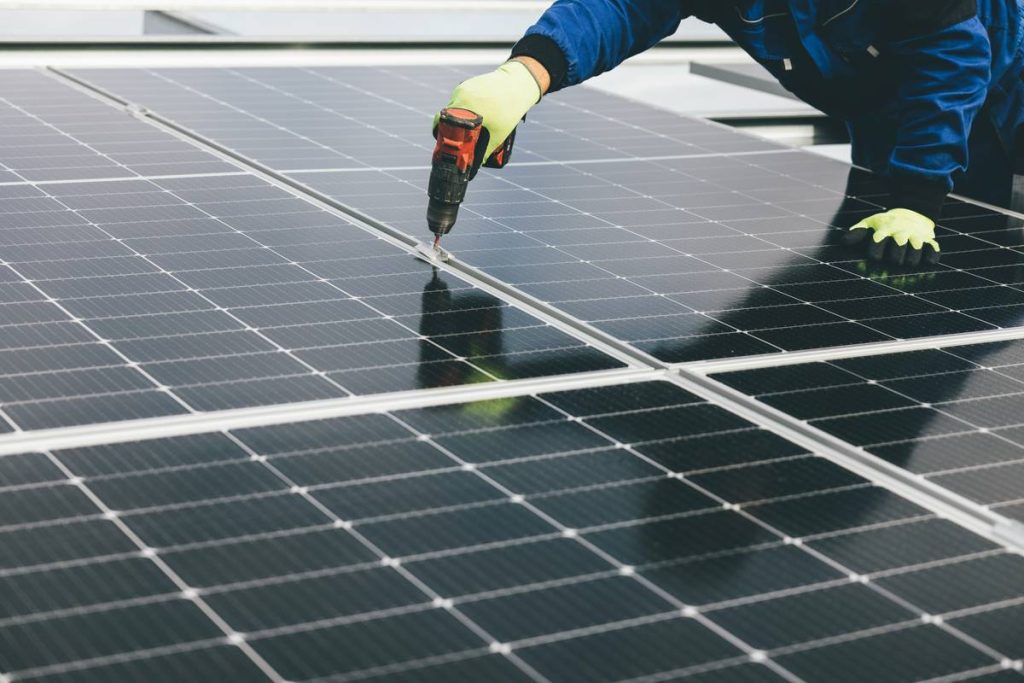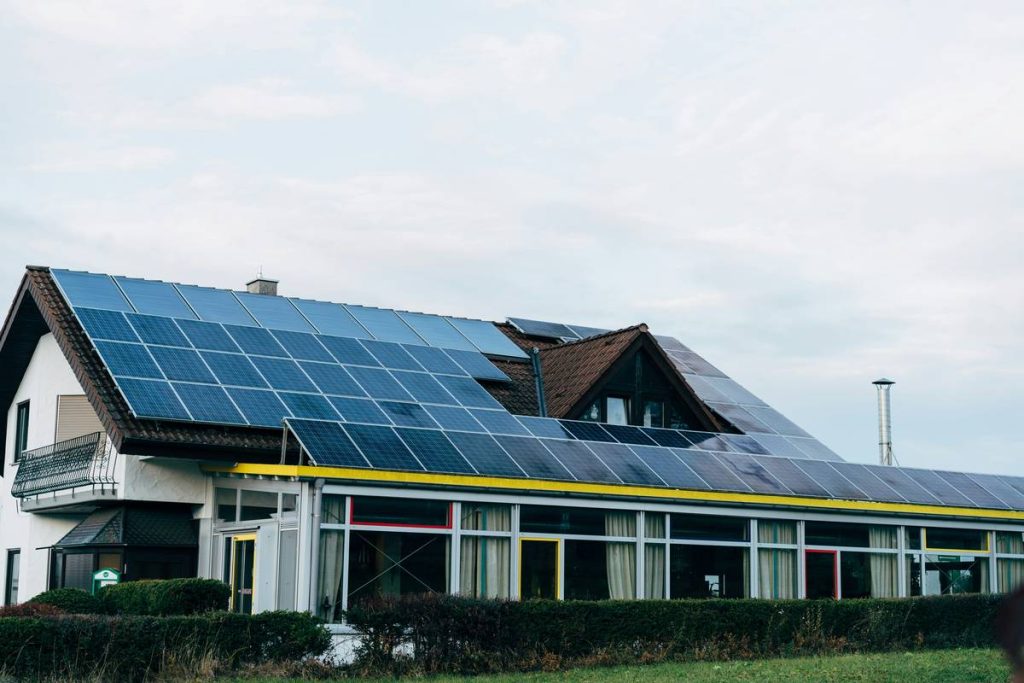
If you’ve invested in solar panels, you already know they’re not just eco-friendly—they’re a major financial asset. But here’s a painful truth: many homeowners assume their standard homeowner’s policy automatically covers solar installations. I learned that the hard way when hail cracked three panels on my roof, and my insurer claimed “wear and tear” excluded the damage. No payout. Thousands lost. That’s why understanding what term insurance is renewable matters—not just for life policies, but for protecting your renewable energy investments too.
In this guide, we’ll clarify how renewable term insurance principles apply to solar panel coverage, walk you through actionable steps to secure proper protection, and expose common pitfalls that leave homeowners vulnerable. Whether you’re shopping for new coverage or auditing your current policy, these insights will help you avoid my expensive mistake.
Table of Contents
- Why “What Term Insurance Is Renewable” Matters for Solar Owners
- Step-by-Step Guide to Securing Solar Panel Insurance
- 5 Best Practices for Renewable Energy Coverage
- Real-World Examples: When Coverage Saved (or Failed) Homeowners
- Frequently Asked Questions
Key Takeaways
- The phrase “what term insurance is renewable” typically refers to life insurance, but its core concept—guaranteed renewability without re-underwriting—applies powerfully to solar equipment policies.
- Most standard homeowner’s policies offer limited or no coverage for solar panels unless explicitly endorsed.
- Retail add-ons from solar installers often lack long-term renewability guarantees.
- Federal and state incentives rarely include insurance—protection is your responsibility.
- Always verify if your policy renews automatically with the same terms each year.
Why “What Term Insurance Is Renewable” Matters for Solar Owners
Home improvement isn’t just about aesthetics—it’s about asset protection. Solar panels can cost $15,000–$30,000, yet many policies treat them as “external attachments” with minimal coverage. Worse, some insurers cancel or alter terms after a single claim, leaving you exposed during peak weather seasons.
The confusion starts with terminology. When people search “what term insurance is renewable,” they’re usually asking about life insurance that lets you extend coverage without new medical exams. But for solar owners, the principle translates to: Can I renew my solar panel insurance annually under the same conditions, regardless of claims history or system age? That guarantee is rare—and critical.
Step-by-Step Guide to Securing Solar Panel Insurance
1. Audit Your Current Policy
Call your insurer and ask: “Does my policy cover damage to roof-mounted solar panels from hail, wind, fire, or theft? Is this coverage guaranteed renewable?” If they hesitate or say “it’s part of dwelling coverage,” request a written endorsement.
2. Compare Specialized Providers
Companies like NAIC-approved insurers often offer renewable solar riders. These lock in terms for 5–10 years, mirroring renewable term life policies.
3. Document Everything
Photograph your system pre-installation and keep receipts. Insurers may deny claims if you can’t prove original condition or value.
4. Avoid Installer-Only Policies
Some solar companies sell proprietary insurance. While convenient, these aren’t always renewable—you could be dropped after Year 3. Always read the renewal clause.
5 Best Practices for Renewable Energy Coverage
- Insist on “guaranteed renewable” language in your policy wording—don’t settle for “renewable at insurer’s discretion.”
- Bundle with home upgrades: If you’re also installing a new roof or battery storage, ensure all components are covered under one renewable policy.
- Review annually: Even renewable policies can change deductibles or exclusions; check your renewal notice line by line.
- Link to maintenance records: Some insurers reward proof of professional servicing with lower premiums or stronger renewal guarantees.
- Never skip internal links: For questions about financing your solar setup ethically, visit our About Us page to learn how we align home improvements with Sharia-compliant principles.
Real-World Examples: When Coverage Saved (or Failed) Homeowners
In 2022, a Texas homeowner filed a claim after a microburst damaged 8 panels. Because her policy included a renewable solar endorsement, she received full replacement value—and her premium didn’t spike at renewal. Contrast that with a California case where a homeowner’s installer-sold policy wasn’t renewed post-claim, leaving him uninsured during wildfire season.
According to the U.S. Department of Energy’s Homeowner’s Guide to Going Solar, only 38% of solar adopters confirm insurance details before installation. Don’t be in that majority.
Frequently Asked Questions
Is solar panel insurance considered renewable term insurance?
Not technically—but policies with guaranteed annual renewability function similarly. Always verify renewal terms.
Does my standard homeowner’s policy cover solar panels?
Sometimes partially, but rarely with renewable guarantees. Most exclude production losses or ground-mounted systems.
Can I get renewable coverage for older solar installations?
Yes, though premiums may be higher. Some insurers require an inspection first.
What happens if my insurer drops my solar coverage?
Shop specialty markets immediately. In the meantime, document system condition to avoid gaps in protection.
How does this relate to “what term insurance is renewable” in life insurance?
Both hinge on guaranteed renewability without new underwriting—a crucial protection against future risk.
Understanding what term insurance is renewable isn’t just jargon—it’s your shield against financial exposure. After my hail fiasco, I made sure every subsequent policy had ironclad renewal terms. You should too.
Ready to protect your investment the right way? Contact us to explore Sharia-compliant home improvement financing that pairs seamlessly with robust solar coverage. And remember: sunshine is free, but peace of mind? That’s worth insuring.
Before sharing personal details, review our Privacy Policy to understand how we safeguard your data.