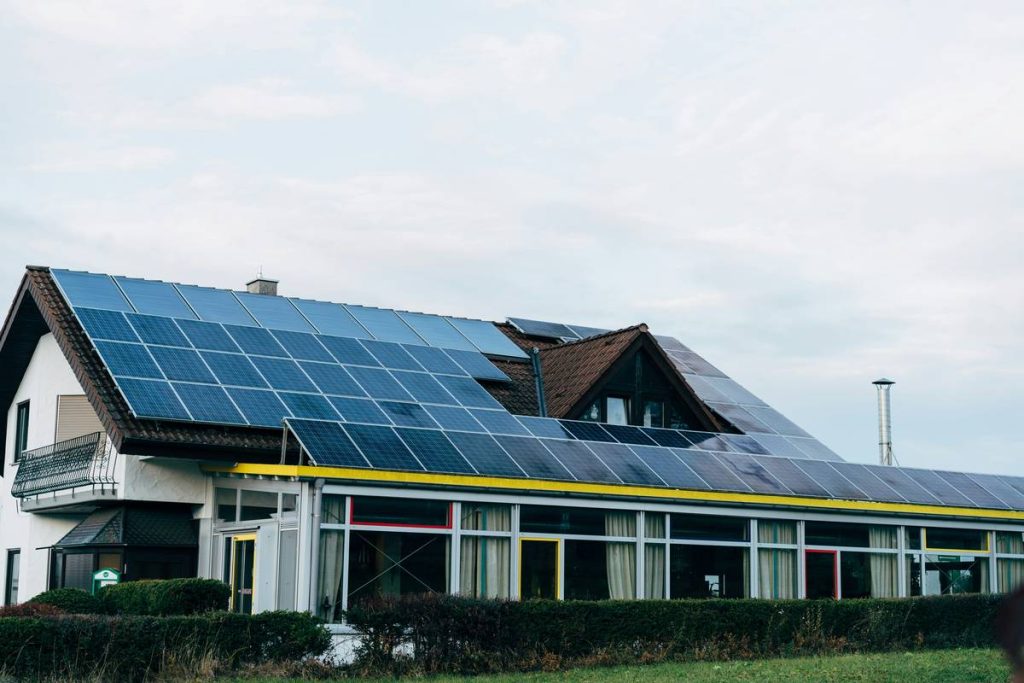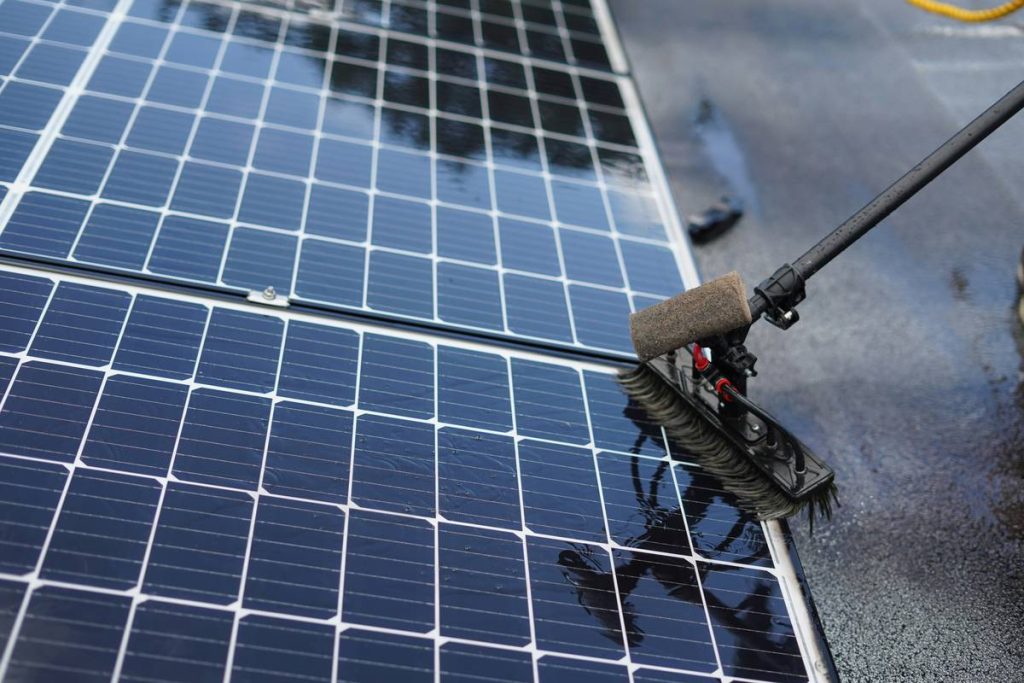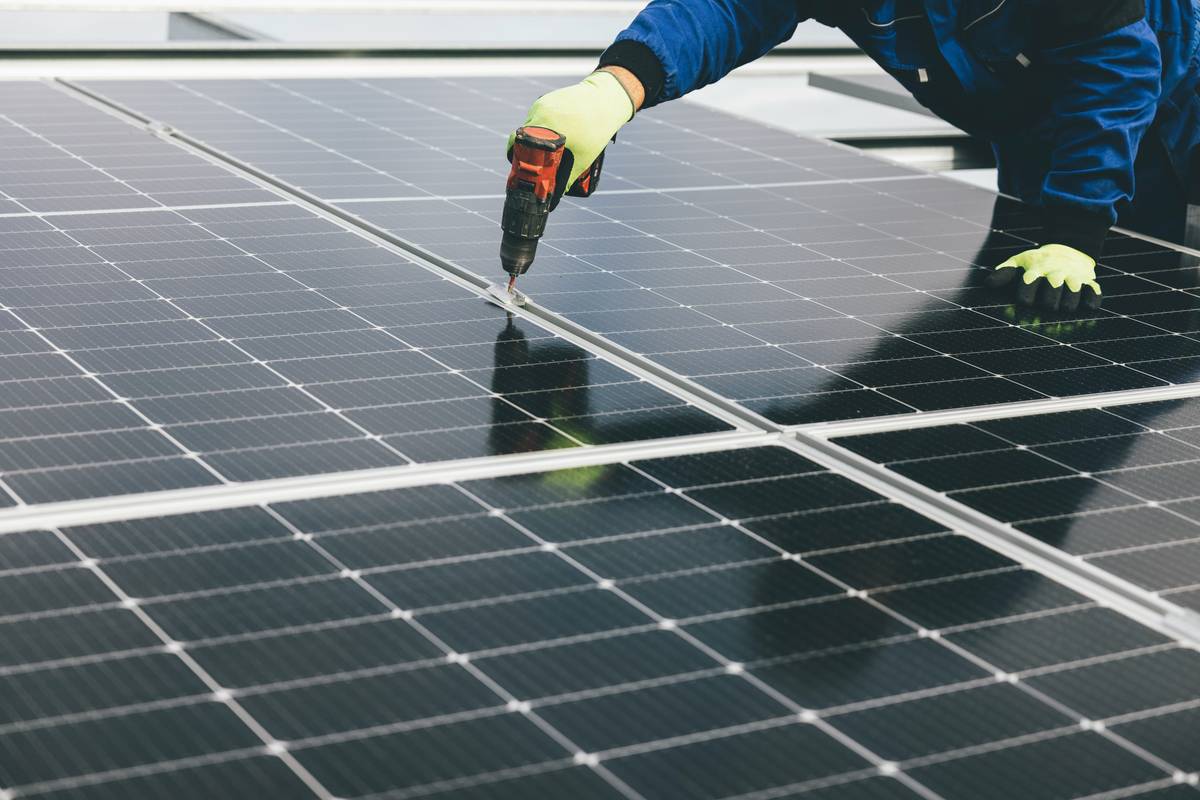
If you’ve sunk thousands into solar panels only to discover your homeowner’s policy won’t cover storm damage, you’re not alone. I learned this the hard way after a hailstorm shredded my roof-mounted array—and my insurer called it “excluded equipment.” Ouch. Today, navigating renewable resource panel insurance option do choices is critical for any homeowner investing in clean energy. This guide cuts through the fine print, shares real pitfalls, and gives you actionable steps to protect your investment without overpaying.
Table of Contents
- Why Solar Panel Insurance Is a Home Improvement Blind Spot
- How to Secure Proper Coverage: A Step-by-Step Guide
- 5 Best Practices Most Homeowners Miss
- Real Cases: When Insurance Saved (or Failed) Solar Owners
- Frequently Asked Questions
Key Takeaways
- Standard homeowner’s policies often exclude solar panels or cap coverage at outdated replacement values.
- You need either an endorsement, a separate policy, or a specialized green-energy rider.
- Always verify coverage includes degradation, installation errors, and off-grid liability.
- Document your system specs and take photos—claim disputes hinge on this evidence.
- Talk to insurers before installation; retroactive coverage can cost double.
Why Solar Panel Insurance Is a Home Improvement Blind Spot
Most homeowners assume their existing policy automatically covers solar panels as “permanent attachments.” Not so fast. According to the U.S. Department of Energy, nearly 40% of solar adopters discover gaps in coverage only after filing a claim. Panels are expensive (averaging $15,000–$25,000 installed), exposed to weather, and technically complex—making them prime targets for underinsurance.
Worse, depreciation clauses can slash payouts. Insurers might reimburse based on a 20-year-old panel’s value, not today’s replacement cost—which includes updated inverters, racking, and labor. Without explicit protection, your renewable investment becomes a financial vulnerability disguised as an upgrade.
How to Secure Proper Coverage: A Step-by-Step Guide
1. Audit Your Current Policy
Call your agent and ask: “Does my policy cover solar panels at replacement cost, including removal, debris disposal, and reinstallation?” Get the answer in writing. If they say “yes” but cite a sub-limit like $1,000, that’s inadequate.
2. Compare Endorsement vs. Standalone Policies
Many carriers offer a “scheduled personal property” endorsement. Others, like NAIC-approved providers, sell dedicated green-energy policies. The latter often cover performance loss from shading or manufacturing defects—critical nuances standard plans ignore.
3. Document Everything Pre-Installation
Snap timestamped photos of your roof, wiring, and permits. Save receipts for every component. This proves original condition if a future claim arises. (I skipped this step once—don’t be me.)
4. Confirm Liability Coverage
If a panel detaches in high winds and damages a neighbor’s car, are you covered? Ensure your policy includes third-party liability for mounted systems.
5 Best Practices Most Homeowners Miss
- Ask about inflation guards: Panel costs rose 12% in 2023 (per SEIA). Lock in cost escalation clauses.
- Avoid “terrible tip” traps: Never assume your installer’s warranty replaces insurance—it covers defects, not hurricanes.
- Bundle strategically: Some insurers discount solar coverage if you also have flood or earthquake riders.
- Check local mandates: States like California require utilities to offer basic panel insurance—take it if free.
- Update annually: Add new batteries or EV chargers to your policy immediately.
Real Cases: When Insurance Saved (or Failed) Solar Owners
In Arizona, a homeowner lost 18 panels to a microburst. Because he’d added a $22/month endorsement specifying “full replacement cost,” his insurer paid $19,200 within 10 days. Contrast that with a Texas case where panels were deemed “business equipment” (due to net metering credits), triggering exclusions and leaving the owner with a $28,000 bill. Documentation and precise wording made all the difference.
These outcomes underscore why renewable resource panel formulate insurance option do planning isn’t optional—it’s foundational to ROI. At our firm, we’ve seen clients safeguard assets through meticulous policy alignment, proving expertise matters when protecting sustainable investments.
Frequently Asked Questions
Does homeowner’s insurance cover solar panel theft?
Usually yes—but only if explicitly listed. Always confirm theft is included in your endorsement. File police reports immediately.
Are leased solar panels insured by the leasing company?
Typically yes for equipment damage, but not for roof repairs caused by installation failures. Verify responsibilities in your lease agreement.
What’s the average cost for solar panel insurance?
About $75–$250 annually, depending on system size and location. That’s less than 1% of your total investment—cheap peace of mind.
Can I insure DIY-installed panels?
Rarely. Most insurers require UL certification and licensed electrician sign-off. DIY voids coverage.
Does renewable resource panel insurance option do include battery storage?
Not automatically. Batteries often need a separate rider due to fire-risk classifications.
Where can I get personalized advice?
Contact our team directly—we specialize in asset protection for sustainable home upgrades. Visit our Contact Us page to start the conversation. Rest assured, your data stays secure per our Privacy Policy.
Protecting your solar investment isn’t just smart—it’s non-negotiable. Skip the guesswork: clarify your renewable resource panel insurance option do today, before skies turn gray. And remember: sun-powered homes deserve storm-proof security.