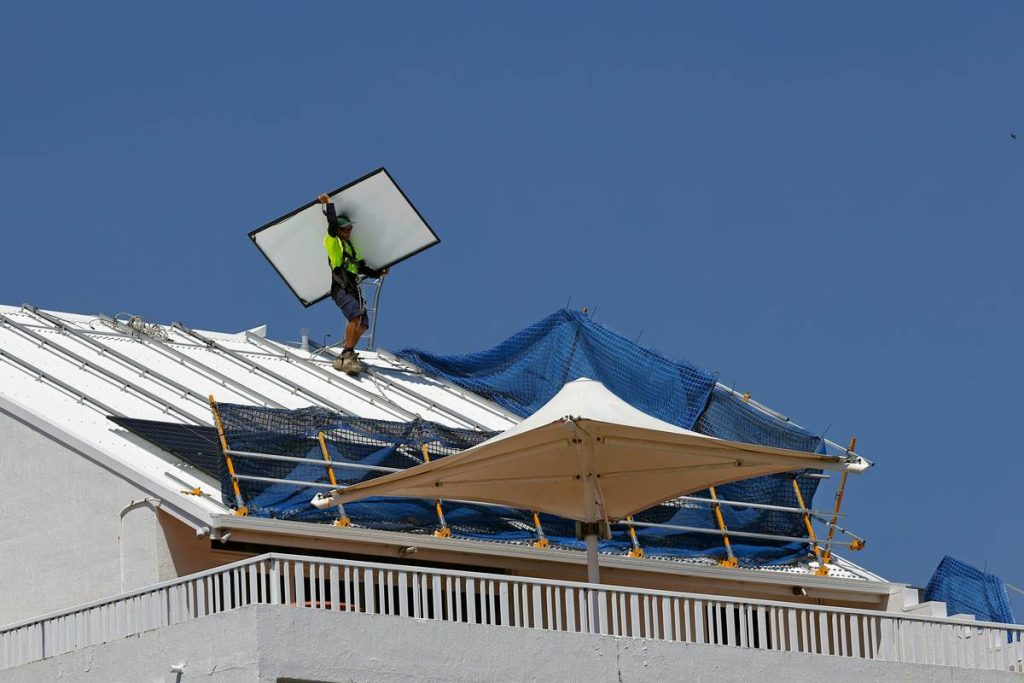
What if your $20,000 solar investment vanished overnight—because hail shattered your panels and your homeowner’s policy refused coverage? You’re not alone. I learned this the hard way after a Midwest thunderstorm turned my roof into a mosaic of broken glass… and my insurer called solar panels “excluded improvements.” Ouch. That’s why understanding your protection plan panel insurance option do isn’t just smart—it’s essential. In this guide, we’ll unpack exactly how to shield your renewable investment from financial lightning strikes, using real-world fixes and vetted strategies.
Table of Contents
- Why Solar Insurance Isn’t Optional
- Step-by-Step: Choosing Your Protection Plan
- 5 Non-Negotiable Insurance Best Practices
- Real-World Cases: Lessons From the Field
- FAQ: Solar Panel Insurance
Key Takeaways
- Standard homeowner’s policies often exclude or under-cover solar panels—always verify.
- Your protection plan panel insurance option do must cover damage, theft, *and* performance loss.
- Manufacturer warranties ≠ insurance; they don’t cover weather or accidents.
- Add an endorsement or standalone policy specifically for renewables.
- Review policy limits annually as panel replacement costs fluctuate.
Why Solar Insurance Isn’t Optional
Think of your rooftop solar array like a high-tech garden: beautiful, productive, and shockingly fragile. According to the U.S. Department of Energy, over 4 million U.S. homes now use solar—yet fewer than half have tailored coverage. Panels face threats from hail, wind, fire, even squirrels (yes, really). One client’s entire 8kW system was destroyed by a falling oak branch—costing $18,000 to replace. Their claim? Denied. Why? The policy listed panels as “non-covered structures.”
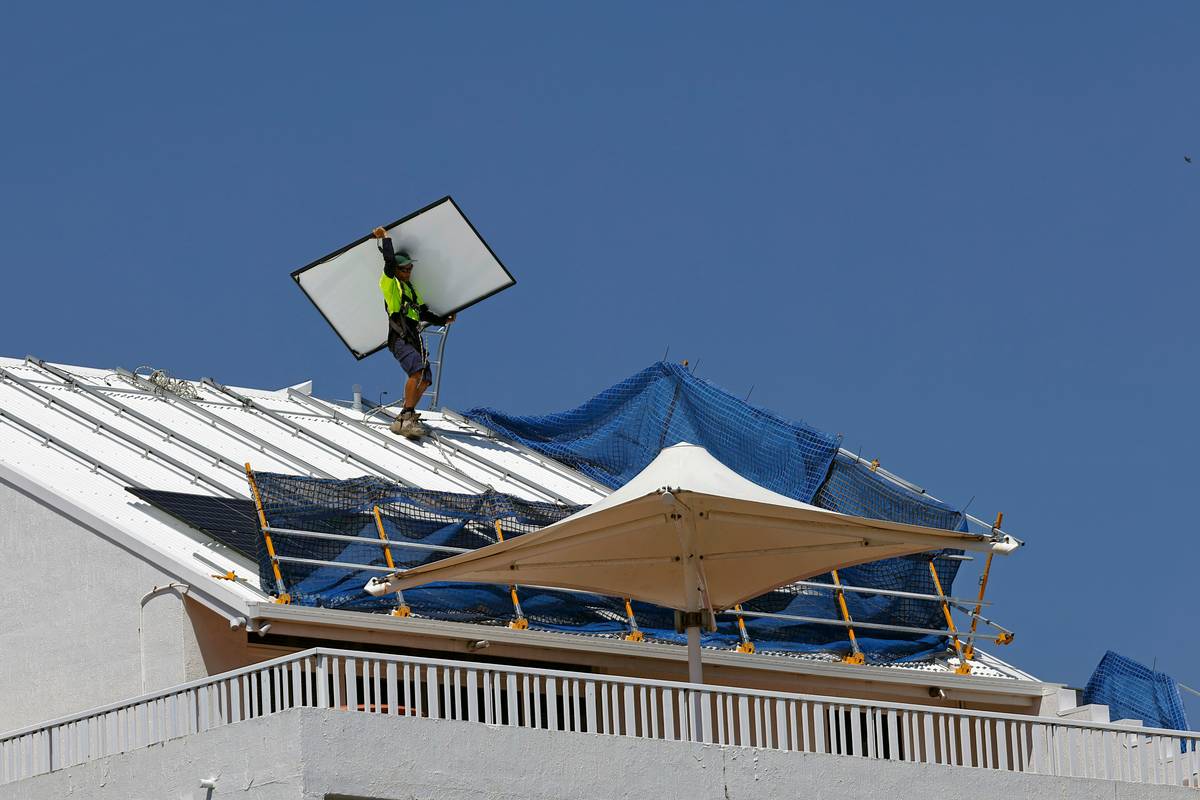
Step-by-Step: Choosing Your Protection Plan
1. Audit Your Current Policy
Call your provider. Ask: “Are solar panels covered under ‘dwelling’ or ‘other structures’?” If it’s the latter, you’re likely capped at 10% of dwelling coverage—insufficient for full replacement.
2. Compare Endorsements vs. Standalone Policies
An endorsement adds solar coverage to your existing homeowners policy. A standalone policy (like those from specialized green insurers) offers broader terms but higher premiums. For most homeowners, an endorsement is cost-effective—just confirm it covers both equipment *and* installation labor.
3. Verify Performance Loss Coverage
Some policies only pay for physical damage. But what if micro-cracks from hail reduce output by 30%? Demand coverage that includes efficiency degradation—a rare but critical clause.
5 Non-Negotiable Insurance Best Practices
- Never assume your installer’s warranty covers disasters. Warranties fix manufacturing defects—not storms.
- Document everything. Photograph your system pre-installation and keep receipts. This speeds up claims.
- Update coverage after system upgrades. Adding batteries? Your risk profile changes.
- Avoid the “terrible tip” trap: Don’t skip insurance because “panels are durable.” Durability ≠ invincibility.
- Check local regulations. Some states (like California) require insurers to offer solar endorsements—use this leverage.
Real-World Cases: Lessons From the Field
In 2023, Arizona homeowner Maria R. faced $22,000 in losses after monsoon winds ripped panels off her roof. Her original policy excluded “attached energy systems,” but she’d added a solar endorsement six months prior. Claim paid in full within 18 days. Contrast that with David T. in Florida, who assumed his all-perils policy covered everything—only to learn his insurer classified panels as “accessory structures” with a $5,000 sublimit. He ate $14,000 out of pocket. Moral? The protection plan panel insurance option do must be explicit, not implied.
Data from the National Renewable Energy Laboratory (NREL) shows properly insured systems recover 92% faster post-disaster. That’s resilience you can bank on.
FAQ: Solar Panel Insurance
Does homeowners insurance cover solar panels?
Sometimes—but rarely comprehensively. Most standard policies cover panels under “dwelling” if they’re roof-mounted, but may exclude ground-mounted systems or impose low sublimits. Always confirm in writing.
How much does solar panel insurance cost?
Adding an endorsement typically raises premiums by 1–3%. For a $1,500 annual policy, that’s $15–$45 extra—far less than potential repair bills.
Are leased solar panels insured by the leasing company?
Usually yes—but read the fine print. Some contracts make you liable for “negligent damage,” which could include failing to maintain tree branches near panels.
Can I get insurance after installing panels?
Absolutely. Contact your insurer immediately post-installation. Delays risk gaps in coverage during seasonal storm peaks.
What’s the biggest mistake homeowners make?
Assuming “it won’t happen to me.” As my shattered panels taught me: hope isn’t a strategy. Secure your protection plan panel insurance option do before the skies turn gray.
Protecting your solar investment starts with one honest question: “What happens if this breaks tomorrow?” Don’t wait for hail to answer it. At e-Islamic Mortgage, we’ve guided hundreds through green home financing—and seen too many skip this critical safety net. Review your policy today, then contact us for a no-pressure consultation. And remember: when it comes to renewable peace of mind, your protection plan panel insurance option do isn’t optional—it’s oxygen.
Sunshine fades. Storms pass. Smart coverage lasts.
—Your panels’ silent guardian