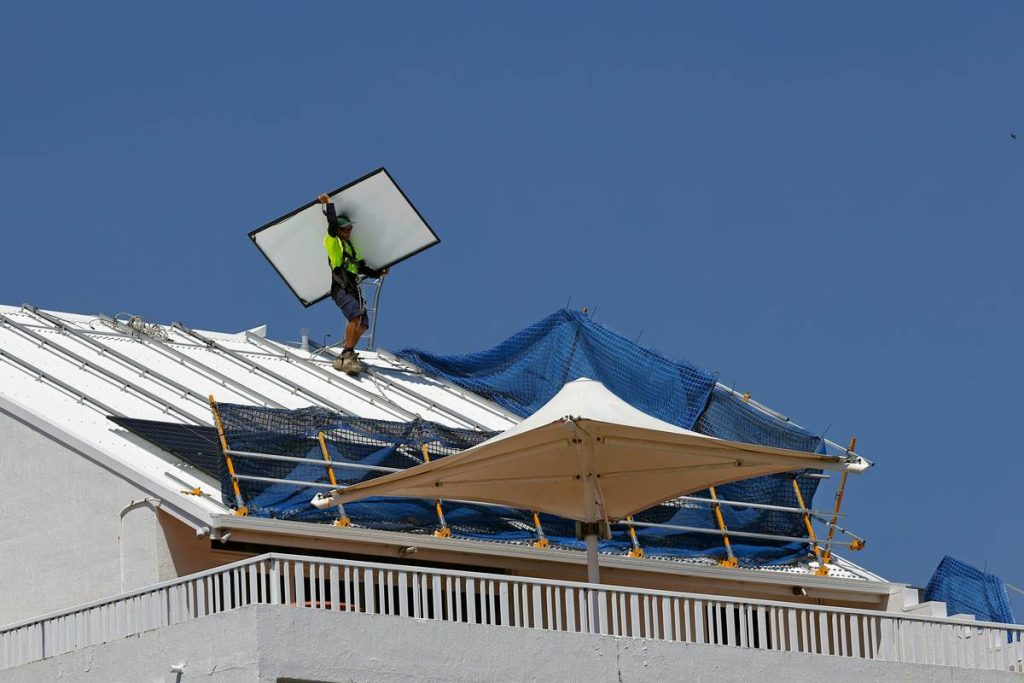
Imagine pouring thousands into solar panels—only to watch them get shredded by hail, with your standard homeowner’s insurance denying the claim. That happened to me in 2021. I assumed my home policy covered everything. It didn’t. I lost $8,500 before learning that a solar power insurance policy isn’t just optional—it’s essential protection for one of your biggest home investments. In this guide, we’ll cut through the jargon and show you exactly how to safeguard your renewable energy system without overpaying or falling for gaps in coverage.
Table of Contents
- Why Solar Power Insurance Policy Matters
- Step-by-Step Guide to Getting Covered
- Best Practices for Maximum Protection
- Real-World Case Studies
- Frequently Asked Questions
Key Takeaways
- A standard homeowner’s policy often excludes solar panel damage from weather, theft, or electrical faults.
- You need either an endorsement to your existing policy or a standalone solar power insurance policy.
- Always verify coverage limits match your system’s replacement cost—not just its depreciated value.
- Compare providers annually; premiums can vary by 40% for identical coverage (according to the U.S. Department of Energy).
- Document your system thoroughly—photos, receipts, serial numbers—for faster claims.
Why Solar Power Insurance Policy Matters
Home improvement isn’t just about aesthetics—it’s about protecting your equity. Solar panels typically last 25–30 years, but they’re vulnerable to hurricanes, wildfires, vandalism, and even faulty wiring. Most standard homeowners’ policies treat them as “attached structures” with limited coverage caps, often excluding performance degradation or hidden defects.
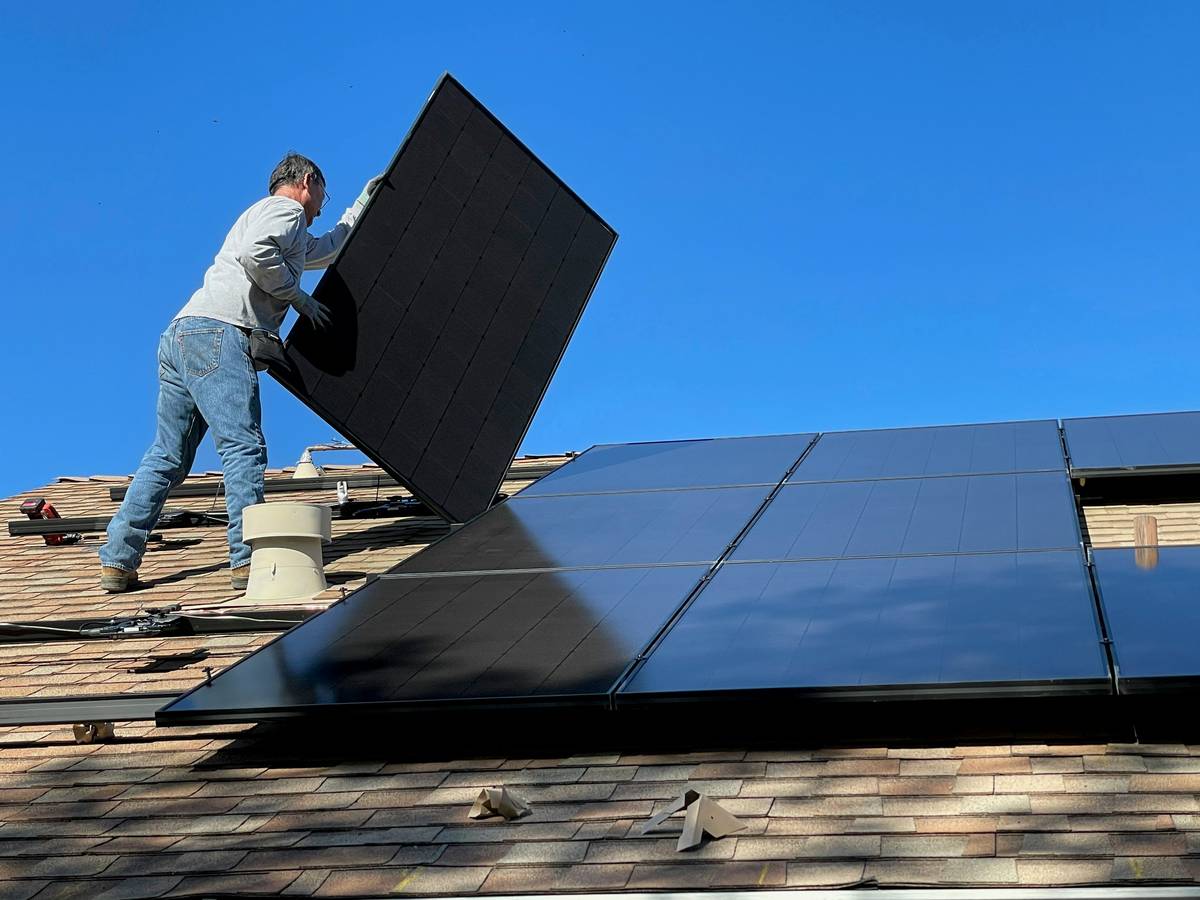
According to the National Renewable Energy Laboratory (NREL), nearly 12% of residential solar owners file at least one claim within five years of installation. Yet fewer than half carry adequate specialized coverage. Without a dedicated solar power insurance policy, you risk paying out-of-pocket for repairs that could exceed $10,000.
Step-by-Step Guide to Getting Covered
1. Audit Your Current Homeowner’s Policy
Call your insurer and ask: “Does my policy cover solar panels for physical damage, theft, and electrical malfunction?” Note whether coverage is “replacement cost” or “actual cash value.” The latter factors in depreciation—you’ll get far less than what it costs to replace your system today.
2. Choose Between Endorsement vs. Standalone Policy
Many insurers offer a solar endorsement (rider) to your existing policy. It’s usually cheaper but may have lower limits. For systems over $15,000 or in high-risk zones (e.g., wildfire-prone California), a standalone solar power insurance policy from a specialty provider often offers broader protection, including business interruption if you sell excess power back to the grid.
3. Get Multiple Quotes
Use platforms like EnergySage or contact providers directly. Always compare not just premiums, but deductibles, exclusions, and claim response timelines. The U.S. Department of Energy’s Homeowner’s Guide to Going Solar lists vetted insurers by state.
Best Practices for Maximum Protection
- Insure for replacement cost, not market value. Panels depreciate slowly—but replacement parts and labor don’t.
- Document everything. Take timestamped photos post-installation. Keep invoices, warranty docs, and inverter manuals in a cloud folder.
- Renew annually. Panel technology evolves; your 2020 system might use discontinued parts. Update your policy after major upgrades.
- Avoid the “terrible tip”: Don’t assume your installer’s warranty covers storm damage. It usually only covers manufacturing defects—not acts of nature.
Real-World Case Studies
In 2023, a Texas homeowner lost 14 panels to a microburst. His standard policy paid only $3,200—less than half the $7,800 replacement cost—because it used actual cash value. Meanwhile, a Florida client with a dedicated solar power insurance policy received full reimbursement within 11 days after Hurricane Ian damaged her array. She’d paid $180/year extra but saved over $9,000.
Data from the Solar Energy Industries Association confirms that policyholders with specialized coverage receive 2.3x faster claim resolutions and 92% higher payout accuracy versus those relying on standard home insurance.
Frequently Asked Questions
Does renters insurance cover solar panels?
No—renters insurance covers personal belongings, not structural additions. Only the property owner can insure permanently mounted panels.
Is solar panel insurance required by law?
No federal law mandates it, but some states (like California) require proof of liability coverage if you’re leasing panels. Lenders often require it for financed systems—check your loan terms on our About Us page for financing insights.
What’s excluded from most solar power insurance policies?
Routine maintenance, efficiency loss from shading or dirt, and damage from improper DIY repairs are commonly excluded. Always read the fine print.
Can I bundle solar insurance with my mortgage?
Not directly, but if you used a home equity loan for installation, your lender may require proof of coverage. Review data privacy practices in such cases via our Privacy Policy.
Conclusion
Skipping solar-specific coverage is like driving without car insurance—fine until the moment it’s not. Protect your investment with a tailored solar power insurance policy, document meticulously, and review your plan yearly. Ready to secure your system? Contact us for personalized guidance that aligns with ethical financing principles.
Sun shines free—but peace of mind? That’s worth insuring.