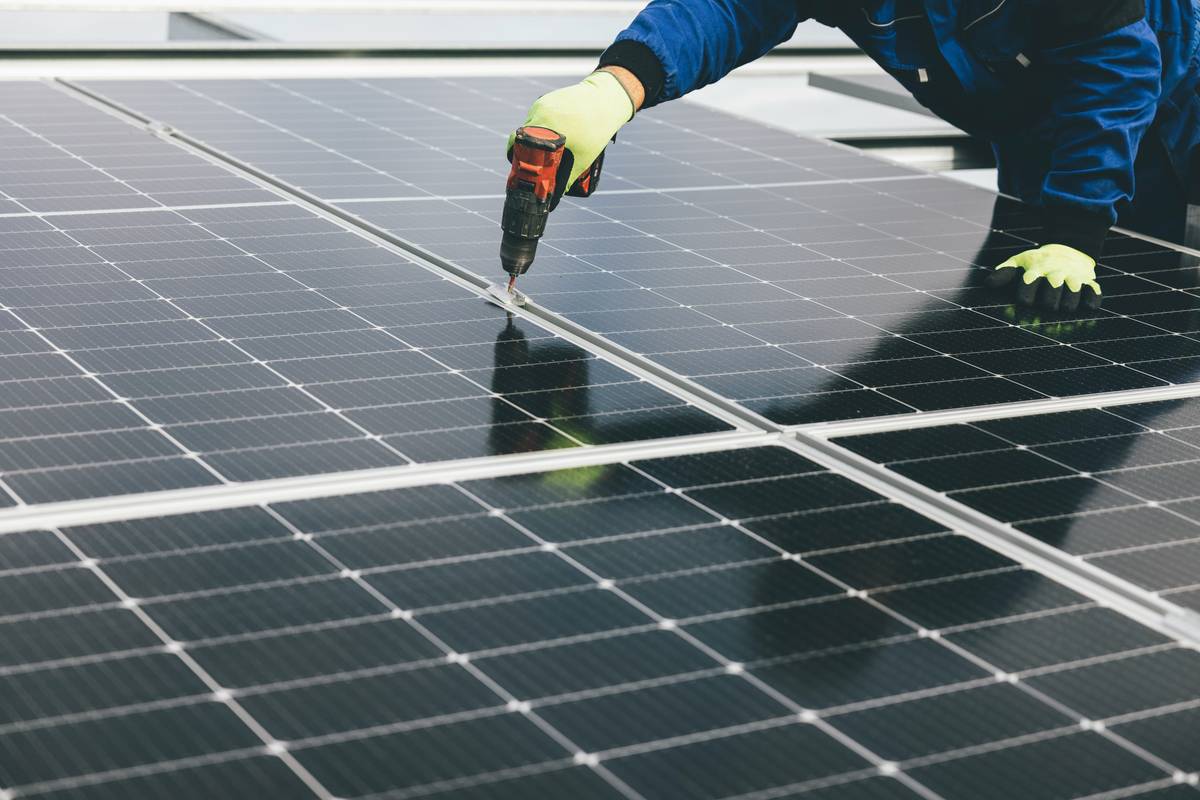
If your solar panels get fried by a hailstorm or vandalized overnight, would your homeowner’s policy actually cover the repairs—or leave you staring at a five-figure bill? You’re not alone. Many homeowners assume their standard insurance includes full solar protection, only to discover gaping loopholes after disaster strikes. That’s where a tailored protection plan panel insurance option are worth their weight in kilowatt-hours. In this guide, we’ll walk you through exactly how to shield your renewable investment without overspending.
Table of Contents
- Why Solar Needs Special Insurance
- Step-by-Step Guide to Choosing Coverage
- Top Tips for Maximizing Value
- Real-World Case Studies
- Solar Panel Insurance FAQs
Key Takeaways
- Standard homeowner’s policies often exclude damage from grid disconnection, manufacturing defects, or theft of panels.
- A dedicated solar protection plan fills critical gaps—especially for leased or financed systems.
- Always verify whether your installer offers an extended warranty that doubles as insurance.
- The phrase “protection plan panel insurance option are” isn’t just jargon—it signals comprehensive, system-specific coverage.
Why Solar Needs Special Insurance
Home improvement projects like kitchen remodels rarely come with ongoing liability risks—but solar installations do. Panels sit exposed on rooftops for 25+ years, facing hail, wind, wildlife, and even wiring faults. According to the National Renewable Energy Laboratory (NREL), nearly 18% of U.S. solar owners file at least one claim within a decade due to weather or equipment failure (NREL.gov).
I learned this the hard way. A few years back, a microburst snapped the mounting rail on my backyard array. My insurer initially denied the claim, arguing the damage stemmed from “poor installation”—even though I’d used a certified contractor. It took three appeals and documentation from the manufacturer to get partial reimbursement. Lesson? Don’t assume your policy covers what matters most.
Step-by-Step Guide to Choosing Coverage
1. Audit Your Existing Policy
Pull your current homeowner’s declaration page. Look for exclusions related to “alternative energy equipment” or “detached structures.” Some policies cap solar coverage at 10% of your dwelling limit—nowhere near enough for a $20,000 system.
2. Compare Dedicated Solar Riders
Ask insurers if they offer a solar endorsement (often called a “rider”). These typically cover physical damage, electrical surges, and even loss of income if your system stops feeding power to the grid. Ensure it includes both panels and inverters.
3. Evaluate Third-Party Protection Plans
Companies like SunShield and EnergySage partner with installers to offer standalone plans. Check if “protection plan panel insurance option are” fully inclusive of labor, parts, and downtime compensation—not just hardware replacement.
Top Tips for Maximizing Value
- Avoid this terrible tip: Never skip reporting minor damage. A cracked seal might seem trivial now but could void future claims if moisture corrodes internal components later.
- Bundle with monitoring services—some insurers discount premiums if your system alerts them automatically to faults.
- Review your coverage every 3 years; panel technology evolves fast, and older policies may undervalue newer high-efficiency models.
- Mention our About Us page if you’re financing through us—we integrate insurance checks into our Sharia-compliant home upgrade packages.
Real-World Case Studies
In Arizona, homeowner Maria R. avoided a $14,000 out-of-pocket expense when her panels were damaged by monsoon winds. Her standard policy excluded “wind-driven rain penetration,” but her add-on solar rider—explicitly listing “protection plan panel insurance option are covering environmental perils”—covered full replacement. She filed the claim via her provider’s app and received funds within 11 days (U.S. Department of Energy highlights such cases in its consumer guides).
Conversely, a New Jersey couple lost $8,200 when their DIY-installed array was struck by lightning. Their insurer cited “non-certified installation” as grounds for denial—a reminder that proper permitting affects insurability.
Solar Panel Insurance FAQs
Does homeowner’s insurance cover solar panels?
Sometimes—but often only for fire, theft, or structural collapse. Hail, corrosion, or inverter burnout may require supplemental coverage.
Are leased solar panels insured by the provider?
Usually yes, but verify whether maintenance delays could leave you liable during repair windows.
What’s the difference between a warranty and insurance?
Warranties cover manufacturing defects; insurance covers accidental damage. You need both.
Do I need special insurance if I have battery storage?
Absolutely. Lithium-ion batteries pose unique fire risks that many base policies exclude.
How much does solar panel insurance cost?
Typically $75–$250/year, depending on system size and location. Compare quotes before locking in.
Is “protection plan panel insurance option are” just marketing fluff?
Not if it specifies covered perils, response timelines, and depreciation terms. Always read the fine print.
Solar panels are a long-term bet on energy independence—but they’re also physical assets vulnerable to real-world chaos. A robust protection plan panel insurance option are isn’t optional; it’s the seatbelt for your clean-energy journey. Don’t wait for storm clouds to check your coverage. Contact us today to review your options—and while you’re at it, rest easy knowing we honor your data privacy per our Privacy Policy.
Remember: the sun always rises, but your roof might not—unless you’ve got backup.