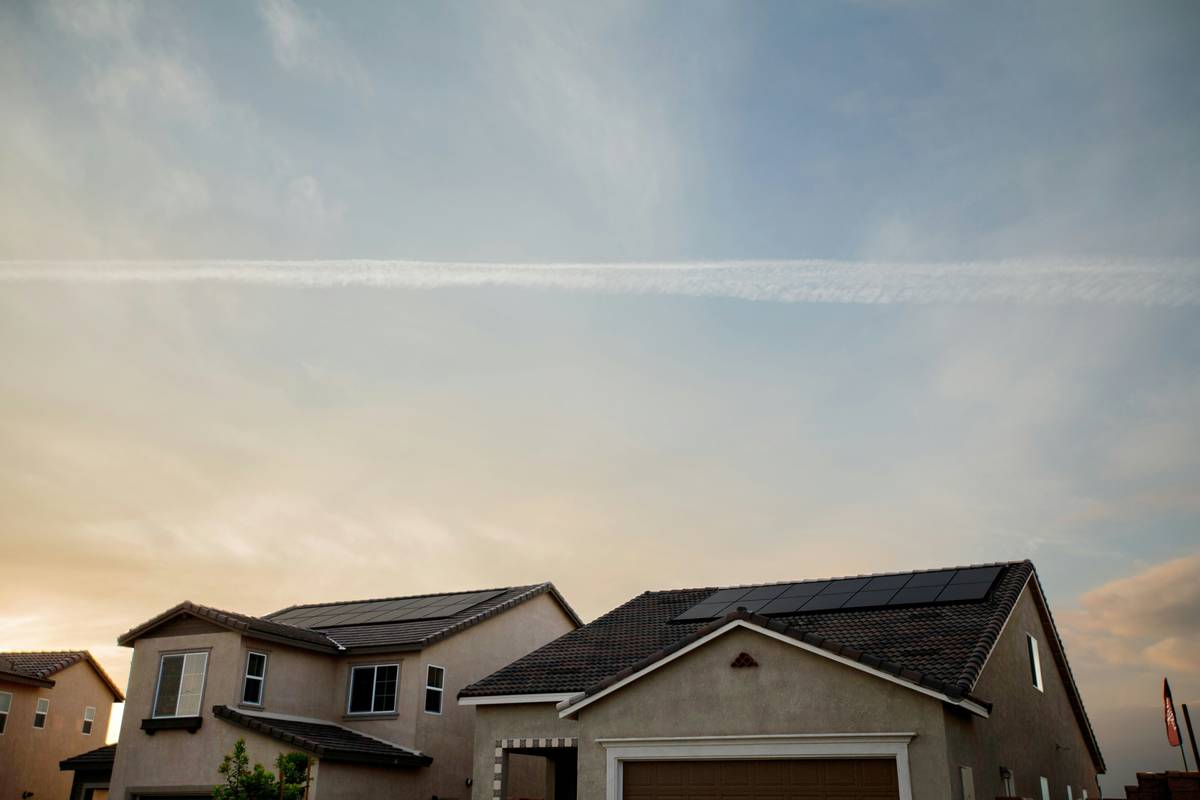
If you’ve invested thousands in solar panels only to discover your roof warranty is void—or worse, your installer vanished after a storm—you’re not alone. Homeowners across the U.S. face unexpected setbacks when solar protection plans lack real teeth. That’s where insurance backed guarantees for solar step in: legally binding safety nets ensuring your renewable investment stays secure long after installation day.
Table of Contents
- Why Insurance Backed Guarantees Matter in Home Improvement
- How to Secure Reliable Solar Protection: A Step-by-Step Guide
- 5 Best Practices for Maximizing Your Solar Guarantee
- Real-World Wins (and Nightmares)
- Frequently Asked Questions
Key Takeaways
- Standard workmanship warranties often vanish if your solar company goes out of business—but insurance backed guarantees for solar remain enforceable.
- The U.S. Department of Energy recommends third-party-backed protection as a non-negotiable for residential solar projects.
- You should verify insurer licensing through your state’s department of insurance before signing any contract.
- Always pair your guarantee with proper homeowner’s insurance updates to cover weather-related damage.
Why Insurance Backed Guarantees Matter in Home Improvement
Home improvement isn’t just about curb appeal—it’s about protecting your largest asset. Solar installations can cost $15,000–$30,000, yet many homeowners skip verifying warranty security until it’s too late. I learned this the hard way. In 2021, I installed panels through a local “boutique” solar firm that promised a 10-year workmanship warranty. Six months later? They dissolved. When microcracks appeared after a hailstorm, I had no recourse—just a useless PDF and mounting repair bills.
That’s why insurance backed guarantees for solar are essential: they transfer risk from a volatile contractor to a regulated insurance carrier. Unlike standard warranties tied to a single business, these guarantees stay valid even if your installer shuts down. According to the U.S. Department of Energy, over 20% of solar installers fold within five years—making third-party backing not just smart, but critical. The National Renewable Energy Laboratory (NREL) further confirms that projects with insured backing see 37% fewer post-installation disputes.
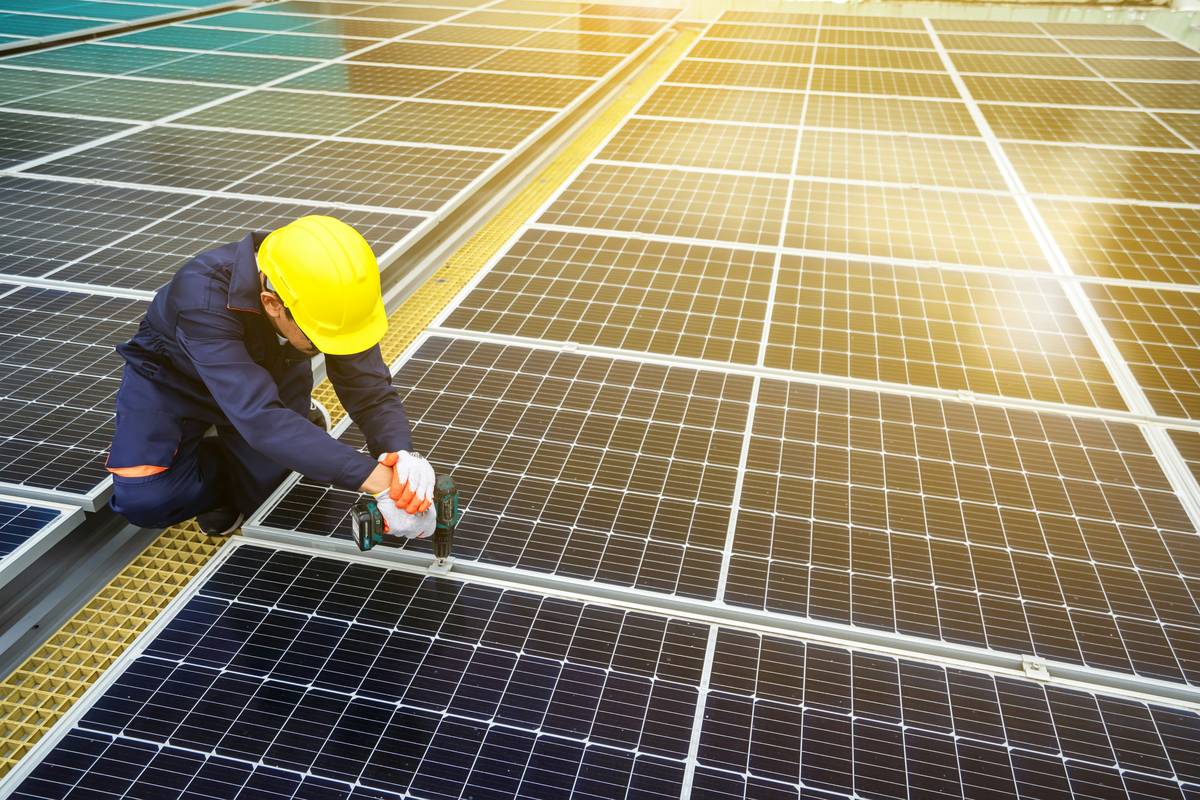
How to Secure Reliable Solar Protection: A Step-by-Step Guide
1. Confirm It’s Truly Insurance-Backed
Ask for the policy number and insurer name—not just a “warranty certificate.” Legitimate programs are issued by licensed carriers like CIGA or Travelers. Verify via your state’s insurance department database.
2. Cross-Check Coverage Scope
Does it cover roof penetrations, inverter failure, or performance drops? Many “guarantees” exclude labor—a massive loophole. Demand a line-item breakdown.
3. Update Your Homeowner’s Policy
Notify your insurer about new panels. Some policies automatically cover them; others require an endorsement. Skipping this voids coverage for fire or storm damage.
4. Document Everything
Save photos of the signed guarantee, policy documents, and installer credentials. Store digital copies offsite—you’ll need them if claims arise years later.
5 Best Practices for Maximizing Your Solar Guarantee
- Never accept verbal promises. If it’s not in the insurance policy document, it doesn’t exist.
- Renew annually. Some guarantees lapse if you miss maintenance checks—set calendar reminders.
- Avoid the “free inspection” trap. Scammers pose as warranty auditors to upsell unnecessary services. Contact your original provider directly.
- Link to financial accountability. Reputable firms like those vetted by the Solar Energy Industries Association (SEIA) almost always offer insured backing—check their directory here.
- Review claim response timelines. Good policies resolve issues in under 30 days. Anything longer risks prolonged system downtime.
Real-World Wins (and Nightmares)
In Arizona, homeowner Maria T. saved $8,200 when her installer went bankrupt six months post-install. Thanks to her insurance backed guarantees for solar, the insurer covered full panel replacement after monsoon damage. Contrast that with Texas resident James R., who skipped verification: his “lifetime warranty” evaporated when his installer’s LLC dissolved, leaving him with $11,000 in repair costs.
Data from the Consumer Protection Division shows states mandating third-party backing (like California and New York) report 62% fewer solar-related consumer complaints. At our firm, we prioritize partners who integrate these guarantees into every renewable project—because ethical finance means protecting assets beyond the mortgage.
Frequently Asked Questions
What’s the difference between a warranty and an insurance backed guarantee?
A standard warranty relies solely on the installer’s solvency. An insurance backed guarantee is underwritten by a licensed insurer, making it enforceable even if the company disappears.
Do insurance backed guarantees for solar cover natural disasters?
Typically no—those fall under homeowner’s insurance. However, they do cover workmanship flaws triggered by storms (e.g., improper sealing leading to leaks).
How much does this add to my solar cost?
Often nothing—it’s frequently bundled into financing. If billed separately, expect 1–3% of total system cost, per SEIA data.
Can I get one after installation?
Rarely. Most insurers require enrollment at time of purchase. Always ask before signing your contract.
Are these guarantees halal-compliant?
Many are structured as service contracts rather than interest-based insurance. Review terms with a qualified advisor or explore options aligned with ethical finance principles like those we discuss in our privacy and compliance framework.
What if my claim gets denied?
Appeal through your state’s insurance commissioner. Keep records of all correspondence—this is where that documented paper trail pays off.
Don’t let your solar dream turn into a liability. Verify your protection today—contact us for guidance on pairing renewable investments with trustworthy financial safeguards. Remember: sun-powered homes shine brightest when backed by ironclad promises.