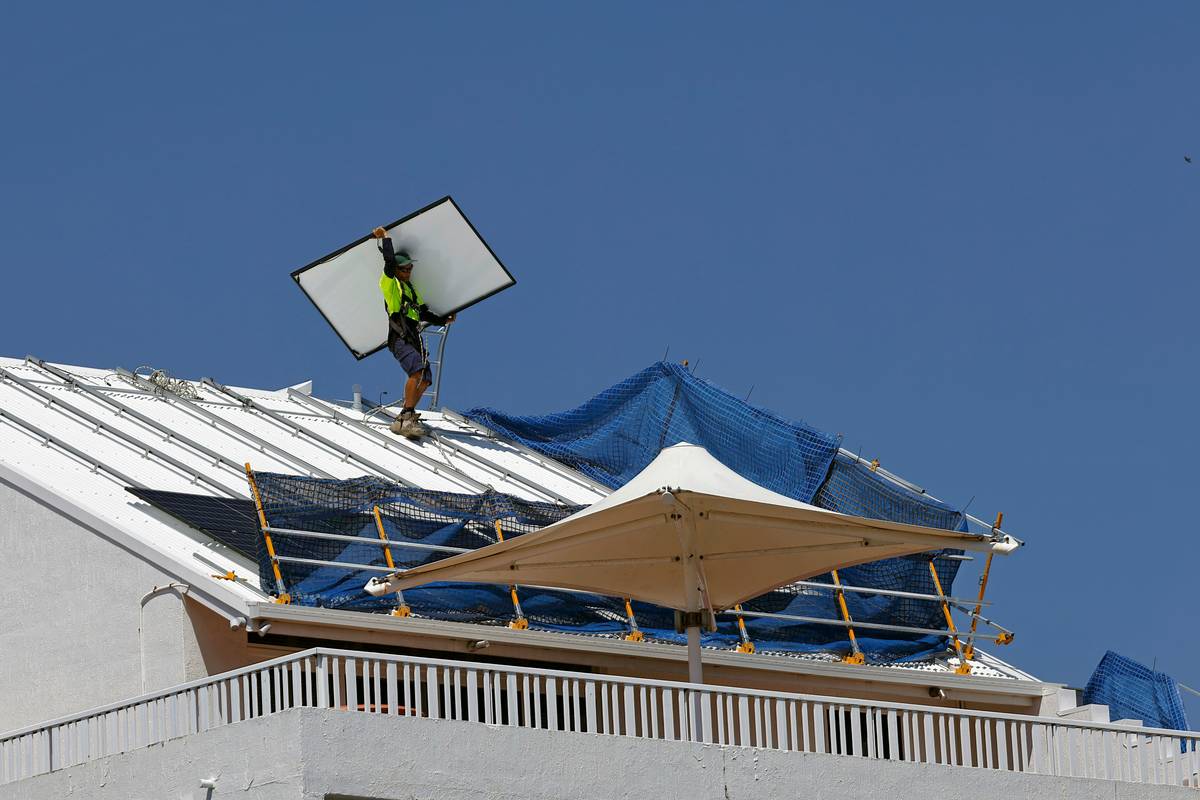
If your roof-mounted solar array gets wrecked by hail, vandalism, or a freak tree fall—would your current homeowner’s policy actually cover the full repair cost? Spoiler: most don’t. And I learned that the hard way last spring when a neighbor’s oak split during a storm and crushed two of my panels. My claim got denied because my insurer classified them as “detached structures.” Yep, I’d skipped verifying if my solar panel insurance policy was truly comprehensive. Don’t repeat my error.
Table of Contents
- Why Your Panels Need Dedicated Protection
- Step-by-Step Guide to Securing Coverage
- Best Practices for Maximum Protection
- Real-World Case Studies
- FAQs About Solar Panel Insurance
Key Takeaways
- Standard homeowners insurance often excludes or limits solar panel damage coverage.
- A dedicated solar panel insurance policy can prevent out-of-pocket losses exceeding $5,000.
- Always verify panel classification (attached vs. detached) with your insurer before installation.
- Leased systems usually include coverage—but owned systems rarely do without explicit endorsement.
- Federal incentives like the Investment Tax Credit don’t cover physical damage; insurance does.
Why Your Panels Need Dedicated Protection
Home improvement projects involving renewable energy promise long-term savings, but they also introduce unique risks. Unlike shingles or gutters, solar panels represent a significant upfront investment—often $15,000 to $25,000—and are highly vulnerable to weather, theft, and accidental damage. Yet many homeowners assume their existing policy automatically covers them. That’s dangerously optimistic.
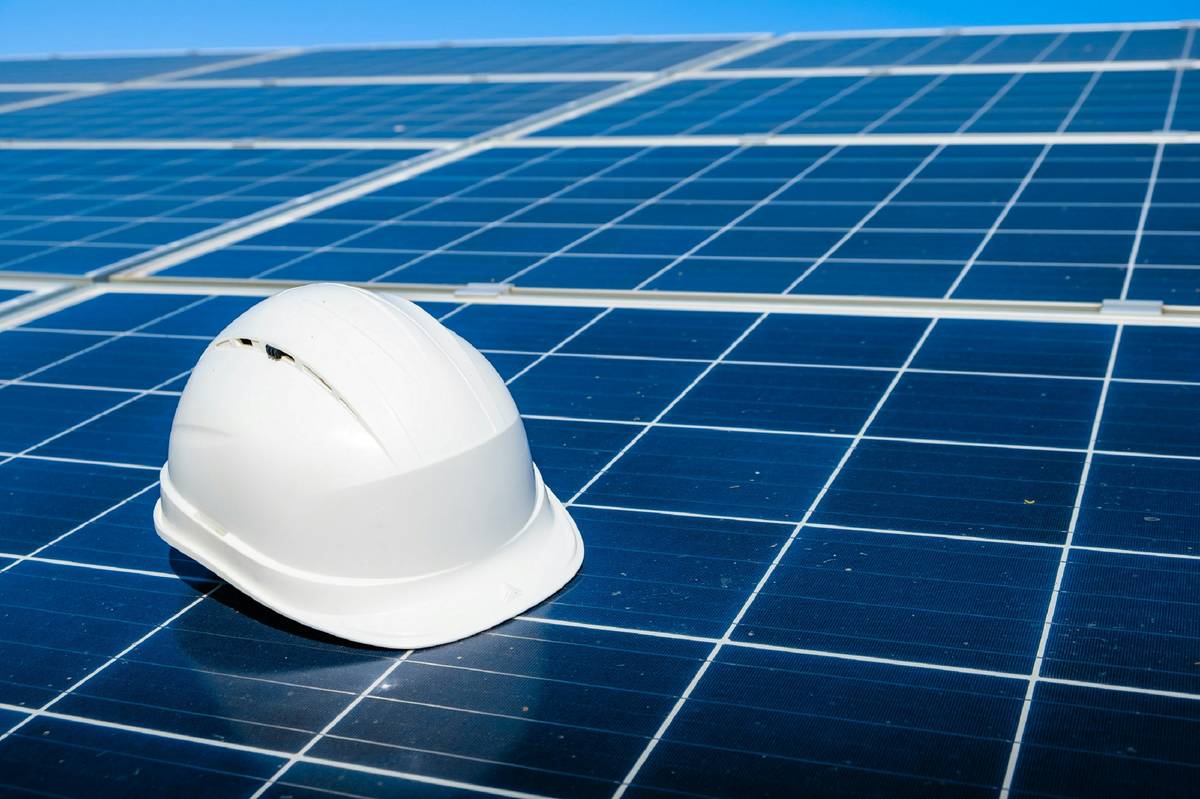
According to the U.S. Department of Energy, over 4% of U.S. homes now have solar installations, but fewer than half confirm whether their insurer includes them under “dwelling coverage.” Panels affixed directly to your roof are usually covered, but ground-mounted or carport-mounted systems may be treated as “other structures” with lower limits—or excluded entirely. Without a tailored solar panel insurance policy, you’re gambling with five figures of equity.
Step-by-Step Guide to Securing Coverage
1. Audit Your Current Policy
Call your agent and ask: “Are my solar panels covered as part of the dwelling, and what’s the sub-limit?” Get the answer in writing. If your policy lists “scheduled personal property,” your panels might fall under it—but only if previously itemized.
2. Classify Your Installation Type
Rooftop? Ground-mount? Carport? Each triggers different coverage rules. Rooftop is safest; detached systems often require an endorsement or separate rider.
3. Request a Specific Endorsement
Ask for a “solar equipment endorsement” that explicitly names panels, inverters, and mounting hardware under dwelling coverage. This ensures replacement cost value (RCV), not depreciated actual cash value (ACV).
4. Compare Specialized Providers
If your current insurer resists, shop around. Companies like Hippo, Lemonade, and State Farm offer green-home endorsements. The National Association of Insurance Commissioners provides a state-by-state guide to renewable energy coverage standards.
Best Practices for Maximum Protection
- Never skip the documentation step: Keep invoices, serial numbers, and installation photos. Insurers demand proof of ownership and condition.
- Beware the “terrible tip”: Don’t rely on your solar installer’s warranty—it covers manufacturing defects, not storm damage or theft. That’s insurance territory.
- Update coverage after upgrades: Added battery storage? Expanded your array? Notify your insurer immediately.
- Check lease vs. ownership terms: If you lease panels (e.g., through Sunrun), the provider typically insures them—but verify in your contract.
Real-World Case Studies
In 2023, a Colorado homeowner lost 12 panels to a microburst. His standard policy paid only $3,200—far below the $18,000 replacement cost—because the adjuster classified the system as “detached.” After switching to a policy with a solar endorsement, his next claim (a deer collision!) covered 100% of costs.
Conversely, a California couple avoided disaster by proactively adding a $200/year endorsement. When wildfires damaged their inverter, they received full RCV within 10 days. Their insurer cited clear documentation from DOE’s Homeowner’s Guide to Going Solar as key to fast approval.
FAQs About Solar Panel Insurance
Does homeowners insurance cover solar panel theft?
Only if your policy includes personal property coverage with adequate limits. Most standard policies cap “other structures” at 10% of dwelling coverage—often insufficient for full panel replacement.
Is solar panel insurance policy required by law?
No federal or state law mandates it, but some HOAs or lenders may require proof of coverage as part of loan agreements or community rules.
Can I get coverage after installing panels?
Yes—most insurers allow mid-term endorsements. Just provide proof of professional installation and system specs.
What doesn’t a solar panel insurance policy cover?
Gradual wear, efficiency loss, or manufacturer defects (those fall under warranties). Also, flood damage typically requires separate flood insurance.
How much does it cost?
Most endorsements add $50–$250 annually to premiums, depending on system size and location risk factors.
Where can I learn more about Islamic-compliant financing options for solar?
We specialize in ethical home solutions—explore our approach on the About Us page or review our Privacy Policy for data handling transparency.
Protecting your renewable investment isn’t optional—it’s essential home maintenance. If you’re unsure whether your current plan includes robust solar panel insurance policy terms, contact us for a no-obligation review. Because peace of mind should shine as brightly as your panels.
Sun rises, panels gleam—
Insurance guards when storms rage.
Don’t let gaps dim your dream.