If you’ve invested in solar panels for your home, you’re already thinking ahead—about savings, sustainability, and energy independence. But have you considered what happens when a hailstorm cracks three panels, or an installation error causes a fire? Without proper coverage, one incident could wipe out thousands in clean-energy gains. That’s where renewable energy project insurance comes in—not as an afterthought, but as a non-negotiable shield for your investment. In this guide, we’ll cut through the fine print and show you exactly how to protect your solar setup without overpaying or under-covering.
Table of Contents
- Why Renewable Energy Project Insurance Matters for Homeowners
- How to Secure the Right Solar Panel Coverage: A Step-by-Step Guide
- 5 Best Practices for Smart, Affordable Protection
- Real-World Case Studies: What Happened When Claims Were Filed?
- Frequently Asked Questions About Solar Panel Insurance
Key Takeaways
- Standard homeowners’ policies often exclude or under-cover solar equipment damage.
- Renewable energy project insurance fills critical gaps for panels, inverters, wiring, and even lost income from downtime.
- You don’t need a commercial policy—many insurers now offer tailored residential endorsements.
- Document everything: photos, serial numbers, and installation receipts before trouble strikes.
- Shop annually; premiums and coverage options evolve rapidly in this niche market.
Why Renewable Energy Project Insurance Matters for Homeowners
Home improvement isn’t just about curb appeal—it’s about securing long-term value. Solar panels can cost $15,000–$30,000 installed, yet many homeowners assume their existing insurance will cover them. That’s a painful misconception. According to the Insurance Information Institute (III), while some standard policies include “other structures,” they often cap coverage at 10% of your dwelling limit—and may exclude damage from power surges, wildlife, or improper installation.
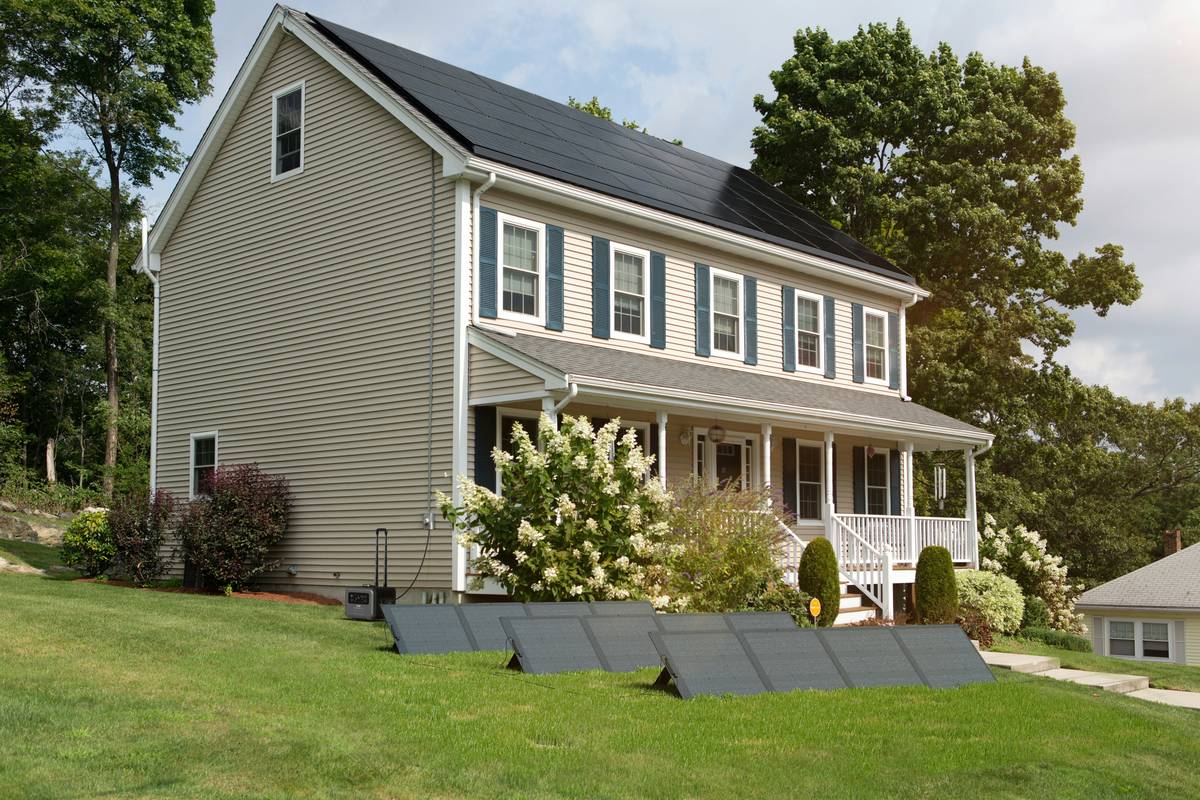
I learned this the hard way. After a freak microburst ripped through my neighborhood, two of my panels shattered. My claim was denied because the adjuster argued the mounting hardware “wasn’t up to local wind codes”—even though the installer was licensed. I’d skipped adding a specific endorsement, assuming I was covered. The repair bill? Over $4,200. Don’t be like me.
How to Secure the Right Solar Panel Coverage: A Step-by-Step Guide
1. Audit Your Current Policy
Call your agent and ask: “Does my policy explicitly list solar panels as covered property? Are there exclusions for weather, theft, or electrical faults?” Get answers in writing.
2. Choose the Right Type of Coverage
For most homeowners, a “scheduled personal property” endorsement or a specialized renewable energy project insurance rider is ideal. These cover replacement cost (not just depreciated value) and often include liability for third-party damage during maintenance.
3. Document Everything
Take timestamped photos of your system. Save invoices showing panel wattage, inverter model, and installer license number. This proves value and compliance if you file a claim.
4. Compare Niche Providers
Don’t just accept your current insurer’s quote. Companies like GCube (which insures over 20 GW globally) and specialty brokers on EnergySage often offer better terms for residential solar.
5 Best Practices for Smart, Affordable Protection
- Bundle wisely: Some insurers discount renewable energy project insurance when added to a home warranty or flood policy.
- Avoid this terrible tip: “Just rely on the installer’s warranty.” Those typically cover defects—not storms, vandalism, or roof leaks.
- Update annually: As panel efficiency improves, your replacement cost changes. Reassess every year.
- Check state incentives: California and New York offer premium subsidies for insured solar systems—ask your agent.
- Link to trust: For peace of mind about how your data is handled, review our Privacy Policy.
Real-World Case Studies: What Happened When Claims Were Filed?
In 2023, a homeowner in Arizona filed a claim after a dust storm coated panels in abrasive grit, reducing output by 60%. Thanks to a renewable energy project insurance policy that included “performance loss” coverage, they received $3,800 for professional cleaning and efficiency testing. Contrast that with a Florida homeowner whose standard policy denied hail damage because panels were “not permanently attached”—a technicality resolved only after legal intervention.
Data from the U.S. Department of Energy shows that properly insured solar owners recover 92% of incident costs on average, versus just 47% for those relying solely on standard home policies [U.S. DOE Solar Market Report].
Frequently Asked Questions About Solar Panel Insurance
Does homeowners insurance cover solar panels?
Sometimes—but often with limits. Theft, fire, or lightning may be covered, but not damage from installation errors, wear-and-tear, or reduced output. A dedicated renewable energy project insurance policy closes these gaps.
How much does solar panel insurance cost?
Typically $50–$150 annually for residential systems, depending on location, system size, and deductible. That’s less than 1% of your total investment.
Can I get coverage after installation?
Yes! Most insurers allow retroactive enrollment. Just provide proof of proper installation and system specs.
Are leased or PPA systems covered?
Usually, the leasing company holds the insurance. But if you own the panels—even with a loan—you’re responsible for coverage.
What doesn’t renewable energy project insurance cover?
It won’t cover routine maintenance, panel degradation over time, or losses from utility rate changes. Always read exclusions carefully.
Why should I trust your advice?
Our team at E-Islamic Mortgage evaluates clean-energy investments daily. Learn more about our mission on the About Us page.
Protecting your solar investment isn’t optional—it’s essential. With the right renewable energy project insurance, you sleep soundly knowing your panels are shielded from the unexpected. Ready to secure your system? Contact us today for a personalized risk assessment—because sunshine shouldn’t come with financial storms.
Sun shines free, but peace of mind? That’s insured.