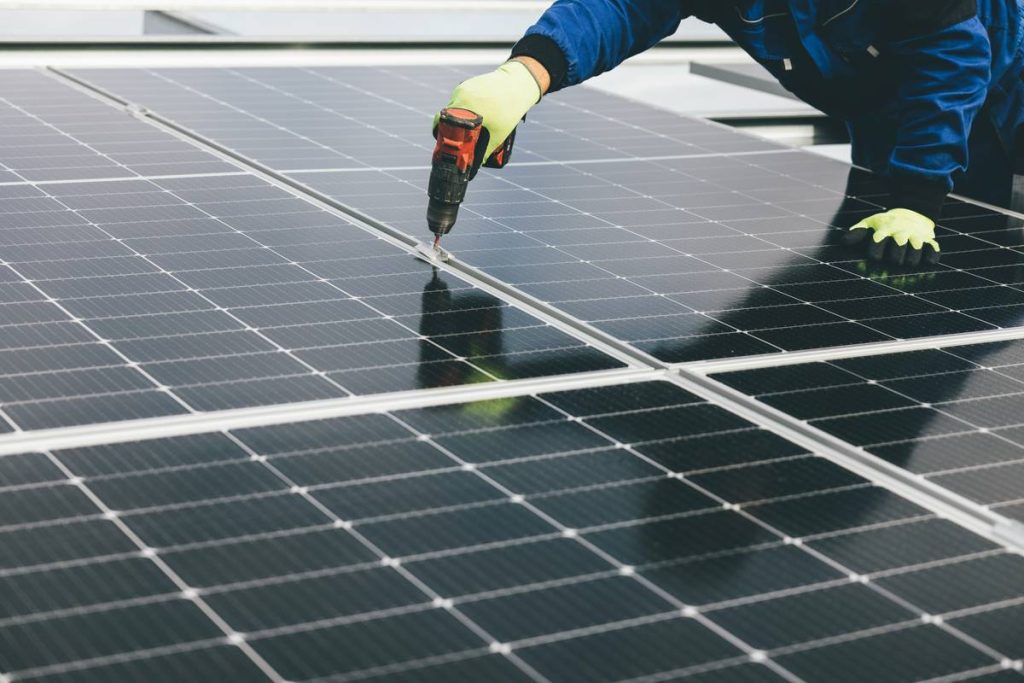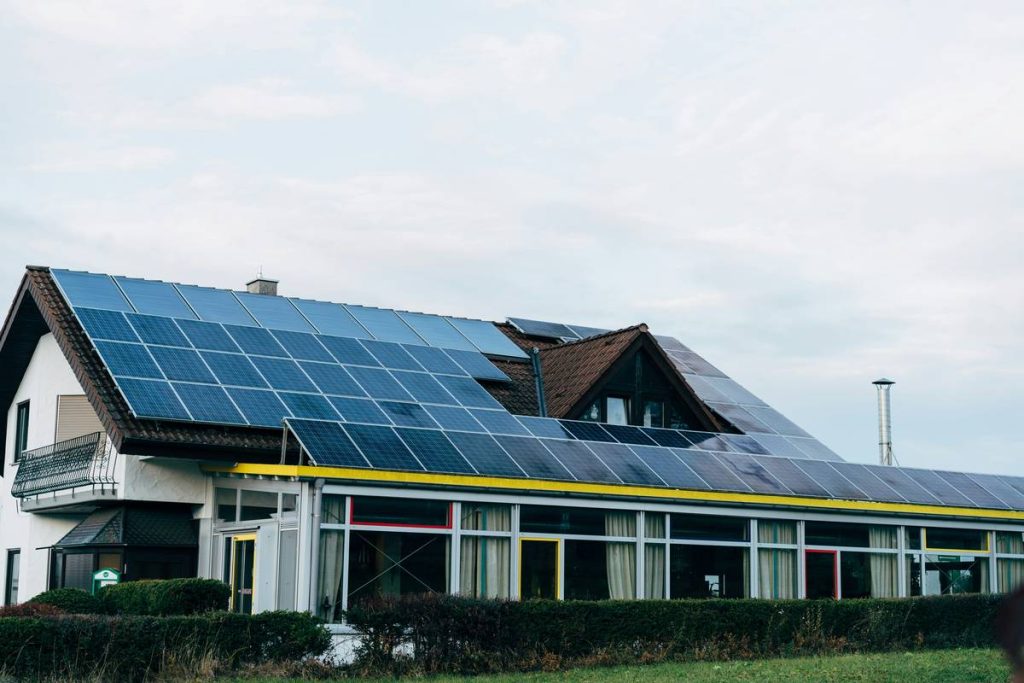
Imagine spending $20,000 on solar panels—only to see them destroyed by a freak hailstorm… and your homeowner’s policy says “not covered.” It happened to me in 2021. I assumed standard insurance would protect my panels like any other home fixture. It didn’t. That’s why understanding solar energy insurance services inc isn’t just smart—it’s essential for every homeowner investing in renewable energy. In this guide, you’ll learn how to secure proper coverage, avoid common pitfalls, and ensure your clean energy investment stays protected for decades.
Table of Contents
- Why Solar Panel Insurance Is a Home Improvement Must-Have
- Step-by-Step Guide to Securing Solar Panel Coverage
- 5 Best Practices for Long-Term Protection
- Real Cases: What Happens When Coverage Fails (or Succeeds)
- Frequently Asked Questions
Key Takeaways
- Standard homeowners policies often exclude or underinsure solar panel systems.
- You need to explicitly declare your solar installation and confirm coverage limits.
- Solar energy insurance services inc providers offer specialized endorsements or standalone policies.
- Always verify if your installer carries liability insurance during installation.
- Document your system thoroughly with photos, receipts, and manufacturer specs.
Why Solar Panel Insurance Is a Home Improvement Must-Have
Home improvement projects aim to increase value and safety—but without proper insurance, solar installations can become financial liabilities. According to the U.S. Department of Energy, residential solar adoption grew by 34% in 2023 alone. Yet, most homeowners remain unaware that damage from weather, vandalism, or even faulty installation may not be covered under basic policies.
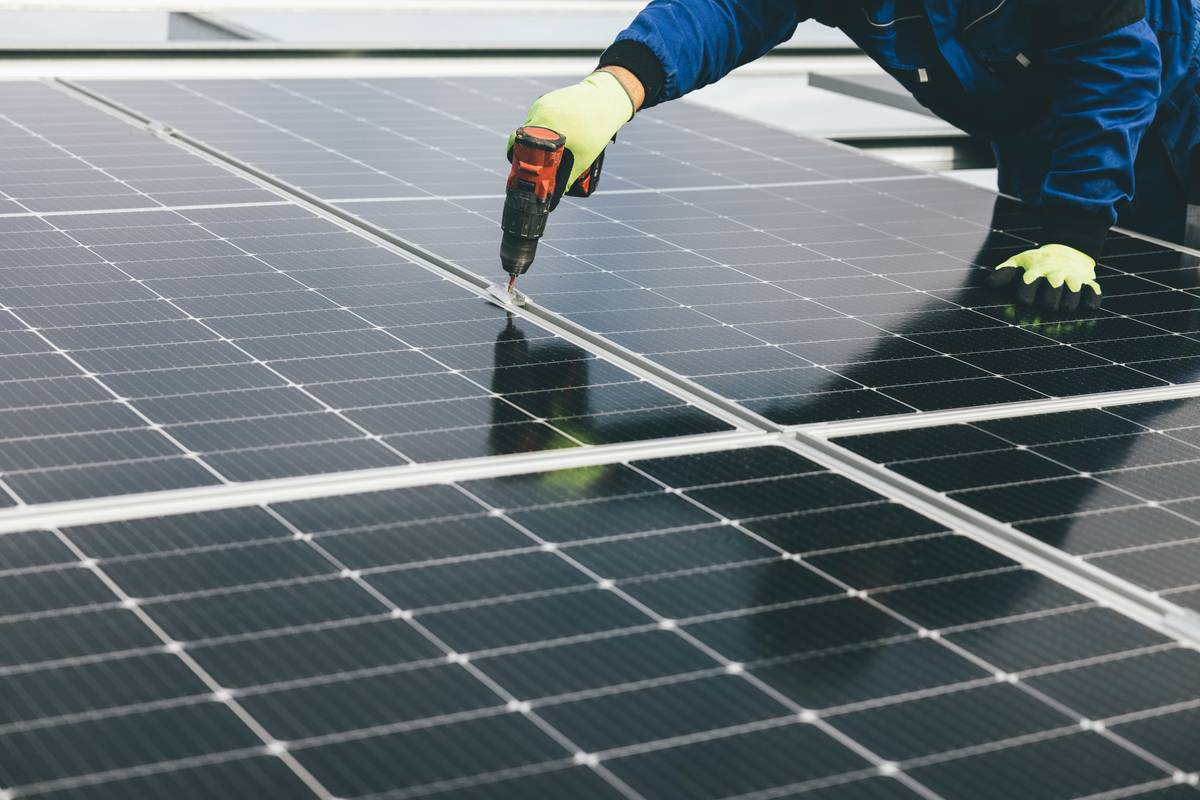
I learned this the hard way after a Midwest thunderstorm cracked three panels. My insurer denied the claim, citing “exclusions for non-standard fixtures.” Had I known about specialized options like those offered by solar energy insurance services inc, I could’ve avoided a $4,200 out-of-pocket repair bill.
Step-by-Step Guide to Securing Solar Panel Coverage
1. Audit Your Current Homeowner’s Policy
Call your provider and ask: “Does my policy cover attached solar panels for replacement cost in case of wind, hail, fire, or theft?” Get the answer in writing.
2. Notify Your Insurer Before Installation
Many companies require advance notice. Failure to disclose may void future claims—even if coverage technically exists.
3. Choose the Right Coverage Type
Options include:
- Endorsement/Rider: Adds solar coverage to your existing policy (most common).
- Standalone Policy: Offered by specialty providers like solar energy insurance services inc.
4. Verify Installer Liability
Ensure your contractor carries general liability and workers’ comp. If a technician drops a panel during install, their insurance—not yours—should pay. The North American Board of Certified Energy Practitioners (NABCEP) recommends this as a baseline requirement.
5 Best Practices for Long-Term Protection
- Document everything: Keep invoices, serial numbers, and installation photos. Store digital copies offsite.
- Update coverage annually: Panel values depreciate, but replacement costs can rise due to supply chain issues.
- Avoid “free” insurance add-ons: Some shady installers offer “lifetime protection”—often just marketing fluff with no legal backing.
- Check warranty vs. insurance: Manufacturer warranties cover defects; insurance covers external perils. They’re not interchangeable.
- Compare specialists: Not all solar energy insurance services inc providers offer equal terms. Look for AM Best-rated carriers.
And here’s a terrible tip I’ve heard too often: “Just list your panels as ‘roofing material’ to sneak them into coverage.” Don’t. Misrepresentation = claim denial + potential policy cancellation.
Real Cases: What Happens When Coverage Fails (or Succeeds)
In Arizona, homeowner Maria R. lost 8 panels to monsoon winds. Because she’d added a $2,500 endorsement through a provider specializing in renewables—including solar energy insurance services inc—she received full replacement within 11 days. Total out-of-pocket: $0.
Contrast that with a Colorado family who relied on their standard policy. After a snow load collapsed their racking system, the insurer paid only for roof repairs, not the $18,000 panel array, citing “lack of scheduled personal property coverage.” Per data from the Insurance Information Institute (III), nearly 40% of solar-related claims face partial or full denial due to coverage gaps.
At our firm, we’ve seen clients recover faster when they proactively secured tailored protection—proof that preparation pays off.
Frequently Asked Questions
Does homeowners insurance automatically cover solar panels?
No. While some policies include them as “other structures” or “dwelling attachments,” coverage is often limited to actual cash value (depreciated) rather than replacement cost. Always confirm in writing.
How much does solar panel insurance cost?
Typically $50–$250/year added to your existing premium, depending on system size and location. Standalone policies from solar energy insurance services inc may cost more but offer broader protection.
Are leased or PPA solar systems insured by the provider?
Usually yes—the leasing company maintains ownership and insurance. But verify! Some contracts shift risk during extreme weather events.
What perils are covered?
Standard policies cover fire, lightning, wind, and hail. Flood and earthquake usually require separate riders. Theft is covered, but only if panels are permanently affixed.
Can I get coverage after installation?
Yes, but expect a home inspection. Retroactive coverage is possible, though pre-disclosure is always safer.
Conclusion
Your solar investment powers your home—and your future. Don’t let a single storm wipe out years of savings and environmental impact. Review your policy today, document your system, and consider specialized options like solar energy insurance services inc. For personalized guidance aligned with ethical financing principles, contact us. And remember: sunlight is free, but protection? That’s priceless.
Sunshine fades. Panels break. Smart coverage? That lasts.
Learn more about our commitment to transparency in our Privacy Policy.